Every year the school list includes a water bottle, and every year many parents buy a new one after the old bottle leaks in the bag, loses its lid or develops a strange smell. In Pakistan, where temperatures in May and June can go well past forty degrees in many cities, a good water bottle is not a small thing. Children run around at break time, sit in hot vans and often forget to drink. The right bottle makes it easier for them to stay hydrated.
How much water do children need?
Needs vary with age, weather and activity, but young school children usually need around five to eight glasses of fluid a day, and teenagers more. On hot days and on sports days they need extra. A bottle of 500 to 800 ml for the school day is a sensible size for most children, with a refill at school if possible. Signs of not drinking enough include headaches, tiredness and dark urine. Ask your child's doctor if you are unsure.

Material: plastic, steel or glass?
- Food-grade plastic (look for BPA-free) is light and cheap, which is good for younger children, but it can hold on to smells over time
- Stainless steel insulated bottles keep water cold for hours, which helps in summer, but they are heavier and dent when dropped
- Glass bottles are clean-tasting but break easily, so they are better for older children or for home use
Whatever you choose, check that it is meant for drinking water and has no strong chemical smell when new.
Lid types and leaks
Leaks are the number one complaint. Flip lids with a straw are easy for small children but must click firmly shut. Screw caps are the most leak-proof but can be hard for little hands. Before school starts, fill the bottle, close it and turn it upside down over a sink for a minute. If it drips at home, it will leak in the bag. Keep the bottle in a side pocket rather than next to books.
Make it something they want to use
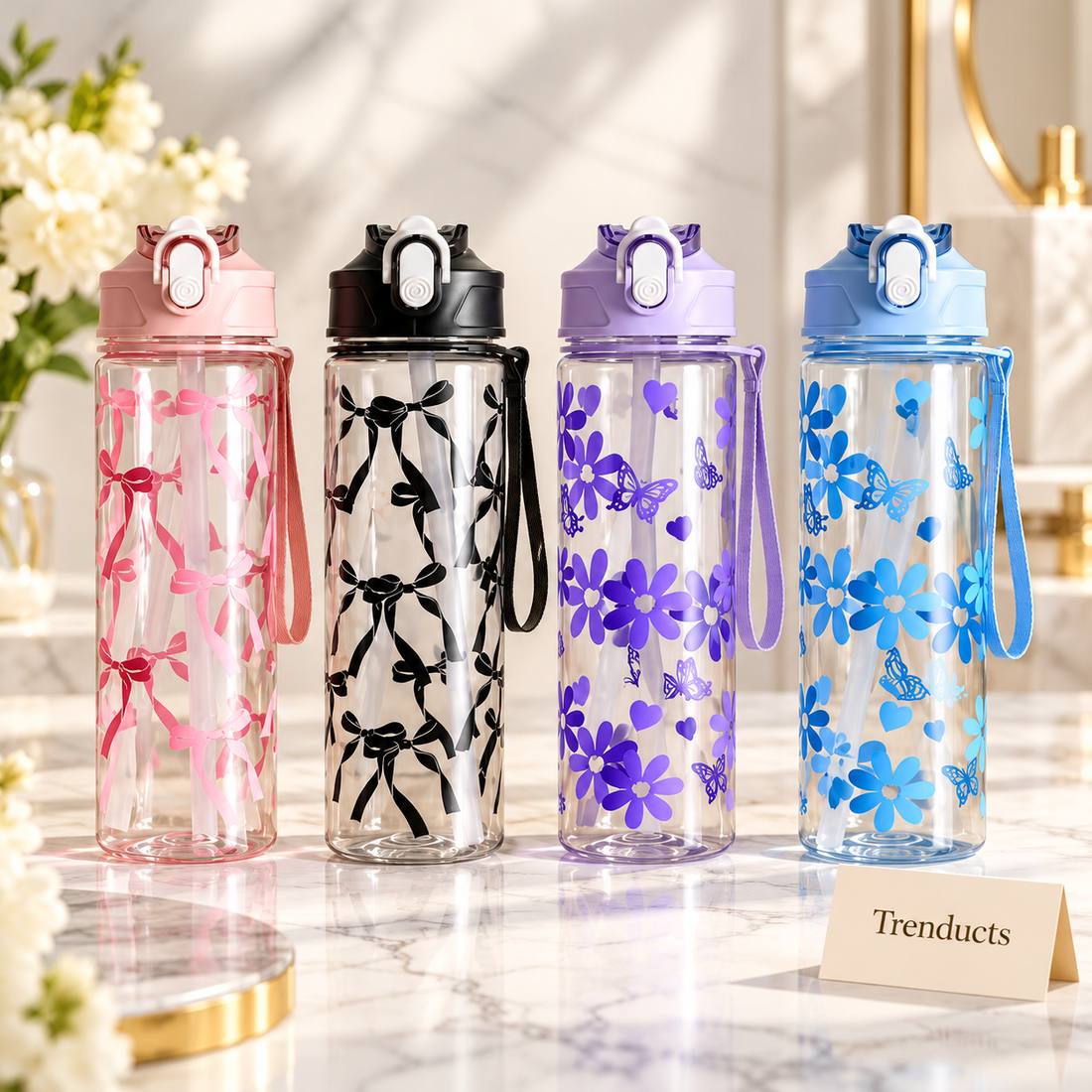
Children are more likely to drink from a bottle they like. Let them choose the colour or character. Some sippers change colour when cold water is added, which younger children find fun. A carry strap helps on school trips. Put the child's name on the bottle with a waterproof label, because identical bottles get mixed up in class.
Cleaning: the part most people skip
Bottles that are only rinsed develop a slimy film and a smell within a few weeks. A simple routine:
- Wash the bottle, lid and straw every day with warm soapy water
- Use a thin bottle brush and a straw brush to reach inside
- Once a week, soak parts in warm water with a spoon of baking soda or a little vinegar
- Let everything dry completely with the lid off before closing it
Replace silicone straws and valves when they crack or stay stained.
Tips for hot days
Fill the bottle halfway the night before and put it in the freezer, then top up with cold water in the morning. The ice melts slowly and keeps water cool until break. Do not freeze a full bottle, as it may crack. An insulated steel bottle does the same job without freezing.
Water, not juice
Packaged juices and fizzy drinks are tempting, but they add sugar and do not hydrate as well as plain water. If your child finds water boring, add a slice of lemon or a few mint leaves.
Teaching the habit
Ask teachers whether children are allowed to drink in class, and encourage your child to finish the bottle by home time. Checking the bottle level after school is a quick way to see how much they actually drank.
Where to look
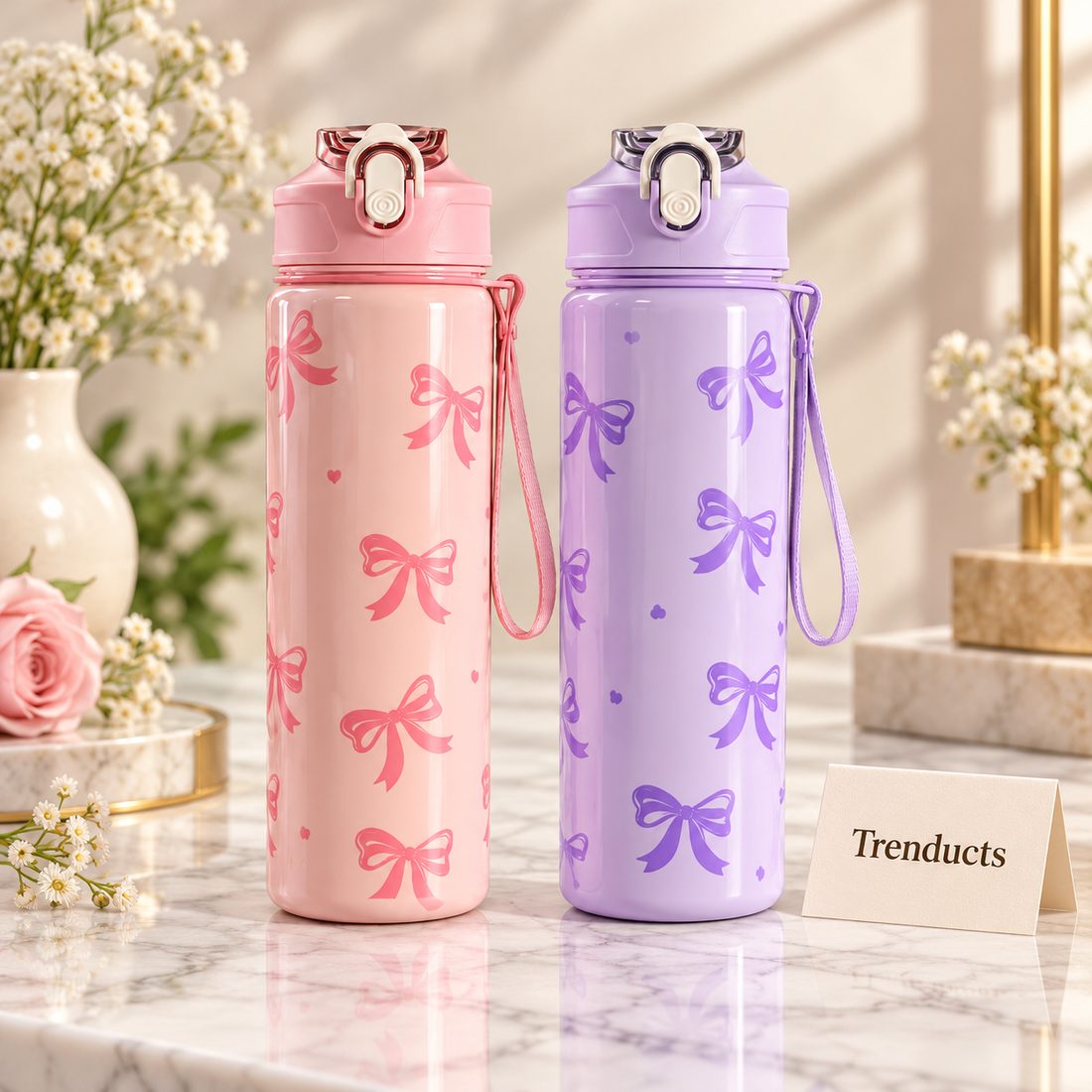
For a range of options, you can browse kids' water bottles and sippers in plastic, glass and steel, with straws and carry straps. Order a spare as well, because school bottles have a habit of disappearing. You can also find lunch boxes and other school-day items at trenducts.pk.
A good bottle and a simple cleaning routine help children stay healthy and focused through the long Pakistani school year.